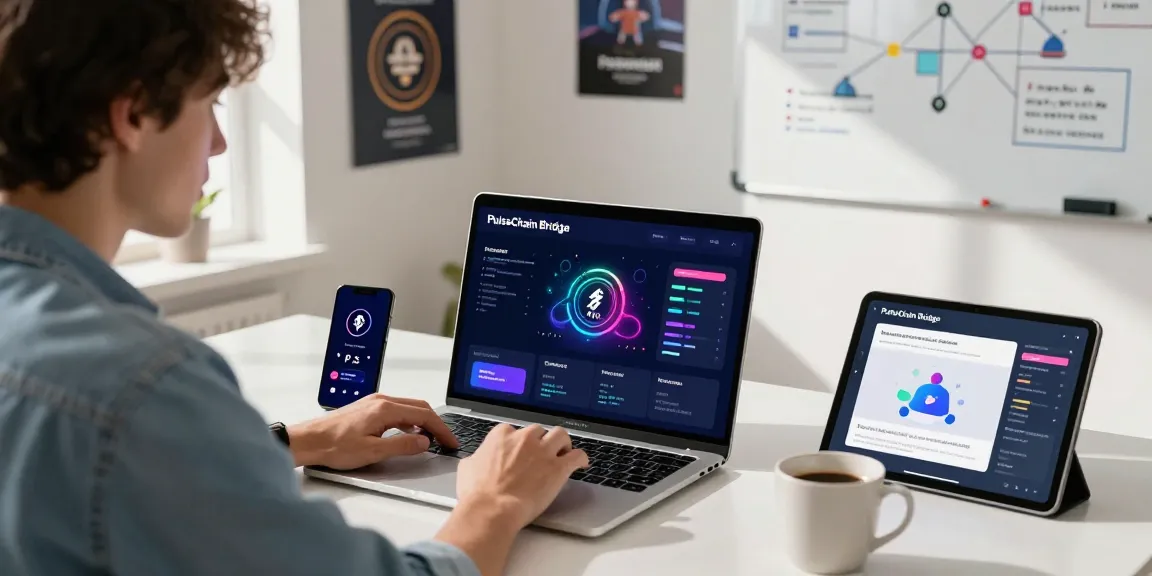
Introduction to the PulseChain Bridge
The cryptocurrency landscape is evolving rapidly, and bridging tokens between different blockchain networks has become a vital part of this transformation. The PulseChain Bridge allows users to transfer ETH, PLS, and various tokens to and from PulseChain seamlessly. With its emphasis on security, speed, and cost-effectiveness, this cross-chain bridge is designed for both seasoned crypto enthusiasts and newcomers alike. In just a few simple steps, users can conduct transactions with significantly lower fees and enhanced speed compared to traditional methods.
What is the PulseChain Bridge?
The PulseChain Bridge is a sophisticated cross-chain solution that enables users to transfer digital assets, such as Ethereum (ETH) and PulseChain’s native cryptocurrency (PLS), between different blockchain environments. Unlike conventional methods, which can involve lengthy confirmation times and high transaction fees, the PulseChain Bridge streamlines this process. Users can move their assets within minutes, maintaining liquidity and flexibility in their trading strategies. Operating on a secure protocol, this bridge enhances accessibility to the PulseChain ecosystem while ensuring minimal hurdles for users.
Key Features and Benefits
- Speed: Transfer ETH and PLS to PulseChain in under three minutes, allowing for quick trading opportunities.
- Cost-Effectiveness: Enjoy fees that can be up to 70% lower compared to other token bridges.
- User-Friendly Interface: A straightforward design ensures that even first-time users can navigate the bridging process with ease.
- Security: Robust security measures protect users’ assets during the transfer process, ensuring peace of mind.
- Free Gas for New Users: Users without native PLS in their wallet can receive free PLS for gas, facilitating easier transactions.
Understanding Cross-Chain Transactions
Cross-chain transactions involve the movement of assets from one blockchain to another, allowing users to leverage the strengths of multiple blockchain technologies. This is particularly important in the evolving landscape of cryptocurrencies, where various platforms offer unique features. By utilizing the PulseChain Bridge, users can benefit from PulseChain’s enhanced capabilities without being confined to a single blockchain ecosystem, increasing their investment opportunities and trading options significantly.
How to Get Started with the PulseChain Bridge
Step-by-Step Guide for First-Time Users
Getting started with the PulseChain Bridge is a straightforward process. Here’s a concise guide to help first-time users navigate the bridging experience:
- Create a Wallet: If you don’t already have a compatible wallet, choose one that supports Ethereum and PulseChain.
- Connect Your Wallet: Head to the PulseChain Bridge website and connect your wallet to commence the bridging process.
- Choose Tokens to Bridge: Select the tokens you wish to transfer, specifying the amount and confirming the transaction.
- Complete the Transaction: Review the transaction details, including fees, and finalize the transfer. Your tokens will appear in your PulseChain wallet shortly.
Connecting Your Wallet: A Practical Overview
Connecting your wallet to the PulseChain Bridge is a critical step in facilitating transactions. Most wallets today offer easy integration with decentralized applications (dApps), including the PulseChain Bridge. Follow these steps:
- Open your wallet and navigate to the ‘Connect’ option.
- Select the PulseChain Bridge from the list of supported dApps.
- Authorize the connection, ensuring that necessary permissions are granted for the bridge to access your wallet securely.
Common Initial Challenges and How to Overcome Them
While the PulseChain Bridge is designed to be user-friendly, new users might encounter some challenges. Here are common issues and solutions:
- Wallet Compatibility: Ensure your wallet is compatible with both Ethereum and PulseChain. If issues arise, consider using options like MetaMask or Trust Wallet.
- Network Congestion: During peak times, transaction speeds may slow down. Patience is key, and checking network status can help manage expectations.
- Understanding Gas Fees: Familiarize yourself with transaction fees associated with Ethereum to plan your transactions accordingly.
Security and Reliability of the PulseChain Bridge
Ensuring Safe Transactions: Security Measures Explained
Security is paramount for any digital transaction, and the PulseChain Bridge implements several measures to safeguard users’ assets. These include:
- Smart Contract Audits: The bridge’s smart contracts undergo regular audits to identify vulnerabilities and enhance security.
- Multi-Signature Wallets: Transactions may require multiple signatures for approval, adding an additional layer of security.
- Real-Time Monitoring: The bridge continuously monitors for unusual activity or potential threats, ensuring a proactive approach to security management.
Real-World Examples of Transaction Reliability
Users have reported high success rates when utilizing the PulseChain Bridge for cross-chain transactions. For instance, during its initial launch, users successfully moved thousands of ETH to PulseChain in a matter of minutes, demonstrating the system’s reliability and efficiency. Case studies show minimal transaction failures, which is critical in building trust within the community.
How PulseChain Stands Out in the Market
In a market saturated with various bridging solutions, the PulseChain Bridge distinguishes itself through its combination of speed, low fees, and user-oriented design. Many competitors struggle with high transaction costs and slow processing times, but the PulseChain Bridge is engineered to avoid these pitfalls. This focus on user experience and efficiency positions PulseChain as a leader in the cross-chain transaction space.
Cost Efficiency of Using the PulseChain Bridge
Comparative Analysis: Fees vs. Competitors
One of the most compelling advantages of the PulseChain Bridge is its cost structure. Users enjoy fees as low as 0%, compared to competitors that can charge significant amounts for similar services. This disparity not only saves users money but encourages more frequent trading and investment activities.
How Low Fees Enhance User Experience
Lower transaction fees mean that users can retain a more significant portion of their investments. For example, with traditional bridges, a transaction fee of 5% or more can eat away at potential profits, whereas the PulseChain Bridge allows users to keep more of their earnings intact. This cost efficiency is especially attractive to high-frequency traders and those involved in decentralized finance (DeFi) activities.
Understanding Fee Structures: Bridging Costs Decoded
The fee structure of the PulseChain Bridge is transparent and straightforward. Users will see clear details on fees before completing a transaction, ensuring informed decision-making. The absence of hidden charges further enhances trust and usability, making the bridging process less intimidating for new users.
Future Trends and Innovations for 2026
Anticipated Technological Advancements in Bridge Solutions
The future of cross-chain bridges is likely to be influenced by advancements in technology, such as enhanced blockchain interoperability, Layer 2 solutions, and faster processing algorithms. These advancements could significantly reduce transaction times and costs even further, making the bridging experience more seamless for users. Expect more robust platforms to emerge that can handle complex transactions with greater efficiency.
Regulatory Considerations and Their Impact
As the cryptocurrency landscape evolves, regulation is expected to play a pivotal role. Governments worldwide are beginning to implement policies around crypto, which could affect how bridges operate. Compliance with these regulations will be crucial for maintaining security and trust, potentially leading to the development of more standardized practices across the industry.
Experts’ Insights on the Future of Cryptocurrency Bridges
Industry experts predict that the demand for cross-chain compatibility will only increase, leading to a surge in innovation within the space. As more users look to diversify their portfolios across multiple blockchains, solutions like the PulseChain Bridge will be essential in facilitating this movement.
What Factors Will Shape the Market in 2026?
Several factors will likely influence the market for cryptocurrency bridges in 2026, including technological advancements, evolving regulatory landscapes, and user demand for efficiency. The ability to adapt to these changes will be critical for platforms aiming to stay competitive.
What is the advantage of bridging ETH to PulseChain?
Bridging ETH to PulseChain provides users with opportunities to access a vibrant ecosystem while benefiting from lower fees and faster transactions. This enables enhanced trading capabilities and potential higher returns on investment.
How secure is the PulseChain Bridge for transactions?
The PulseChain Bridge adopts several security protocols, including smart contract audits and multi-signature approvals, offering users a reliable platform for their transactions.
Can I receive free PLS for gas while using the bridge?
Yes, users without native PLS in their address often receive free PLS for gas when utilizing the bridge, making the process even more accessible.
What are the fees associated with using the PulseChain Bridge?
Fees for using the PulseChain Bridge are significantly lower than many alternatives, with some transactions having a fee of 0%. Always check the fee structure before completing a transaction for clarity.
How does the PulseChain Bridge compare to other token bridges?
The PulseChain Bridge stands out for its rapid transaction speeds, low fees, and user-friendly interface, offering a compelling alternative to other token bridges which may be slower and more expensive.